Optimal Weather Conditions for Concrete Repairs
Concrete repairs are most effective when performed under optimal weather conditions. Temperature, humidity, and moisture levels significantly influence the curing process and the longevity of repairs. The ideal time for concrete repairs is during mild, dry weather to ensure proper setting and bonding.
Spring offers moderate temperatures and lower humidity, making it suitable for concrete repairs. It reduces the risk of rapid drying or freezing during curing.
Early summer can be ideal if temperatures are controlled and repairs are scheduled during cooler parts of the day. Avoid peak heat hours to prevent quick drying.
Fall provides cooler temperatures and less humidity, which support proper curing. It is often preferred for large or extensive repairs.
Winter is generally unsuitable due to freezing temperatures that can hinder curing and cause cracks. Special precautions are required if repairs are necessary.
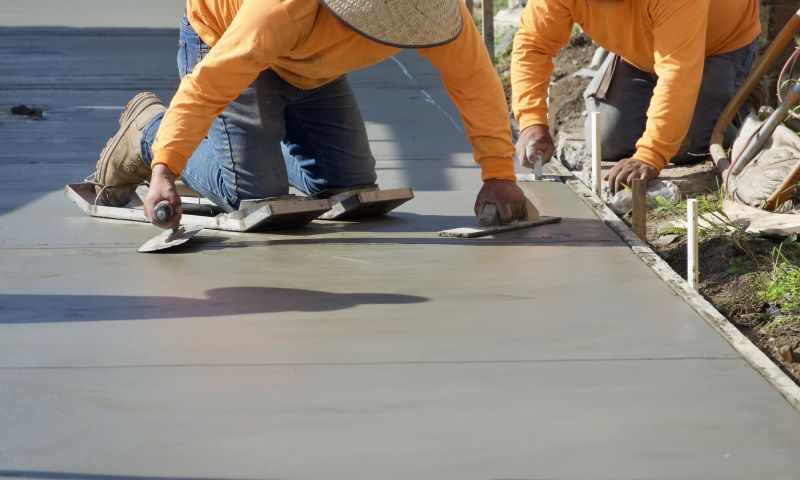
Ways to make Concrete Repairs work in tight or awkward layouts.
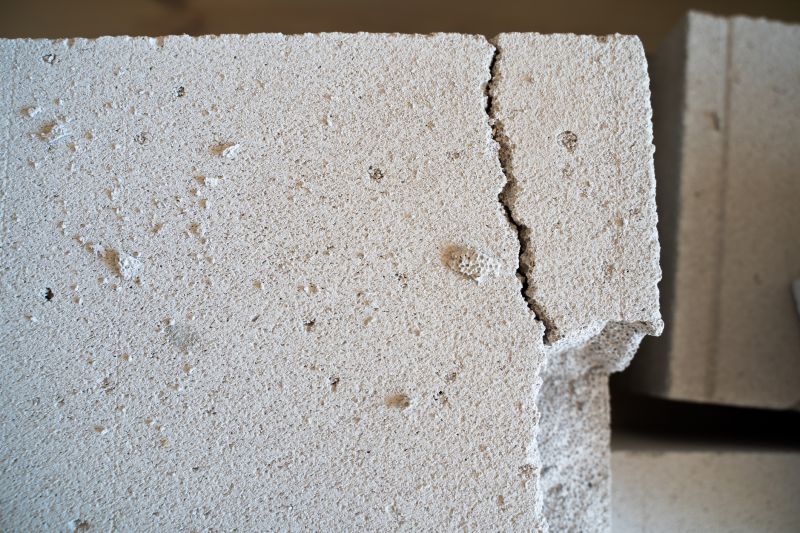
Popular materials for Concrete Repairs and why they hold up over time.
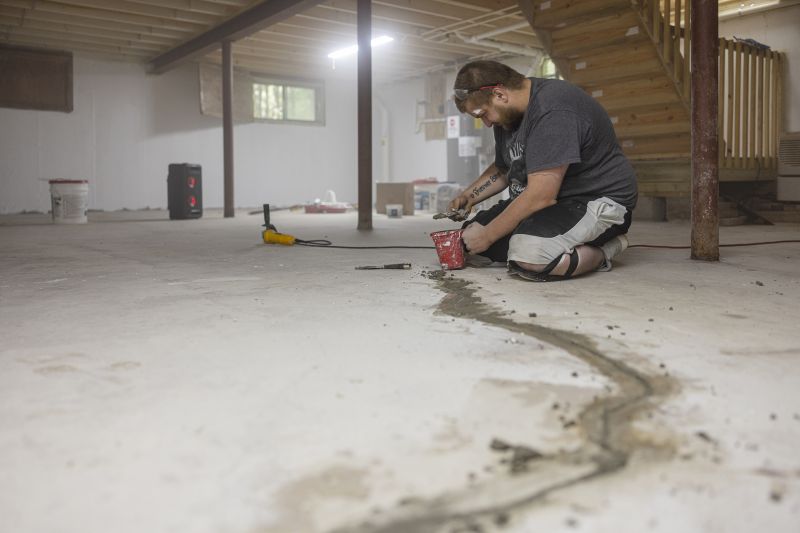
Simple add-ons that improve Concrete Repairs without blowing the budget.
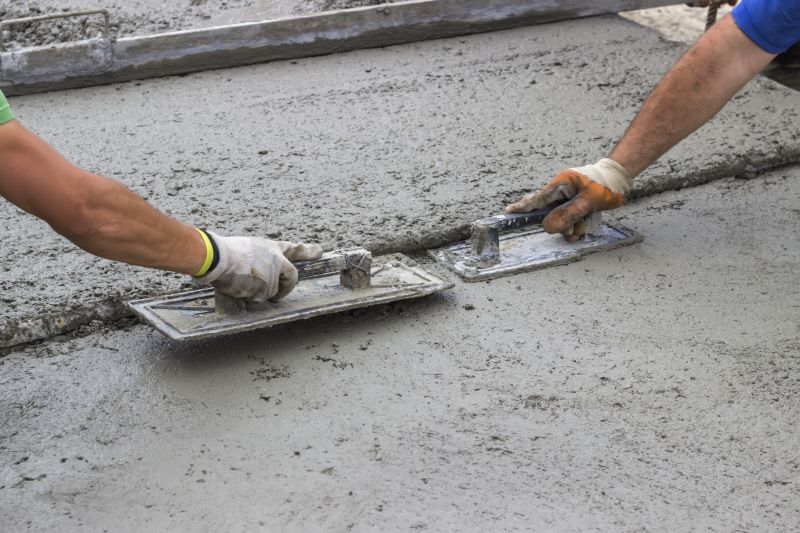
High-end options that actually feel worth it for Concrete Repairs.
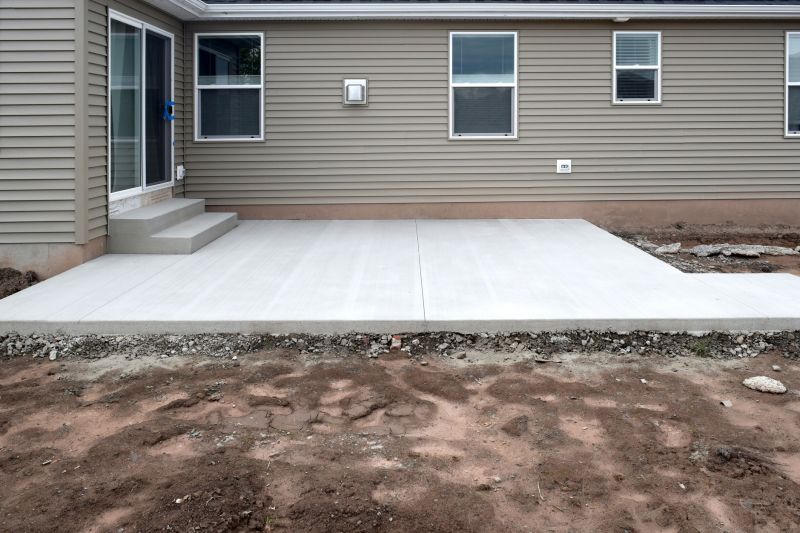
Finishes and colors that play nicely with Concrete Repairs.
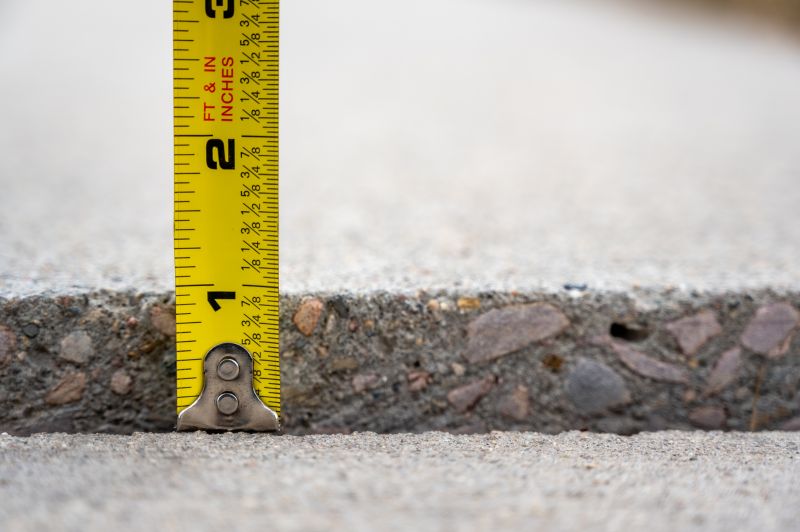
Little measurements that prevent headaches on Concrete Repairs day.
| Season | Optimal Conditions |
|---|---|
| Spring | Moderate temperatures, low humidity, ideal for curing. |
| Summer | Best during cooler parts of the day; avoid peak heat. |
| Fall | Cooler temperatures, less humidity, suitable for extensive repairs. |
| Winter | Freezing temperatures hinder curing; generally unsuitable. |
Concrete repairs are essential for maintaining structural integrity and aesthetic appearance. Proper timing ensures the durability of repairs, minimizes future cracking, and reduces the need for frequent rework. Statistics indicate that repairs performed during optimal weather conditions have a longer lifespan, with some lasting up to twice as long as those done in less favorable weather. Proper planning and weather awareness are crucial for successful concrete repair projects.
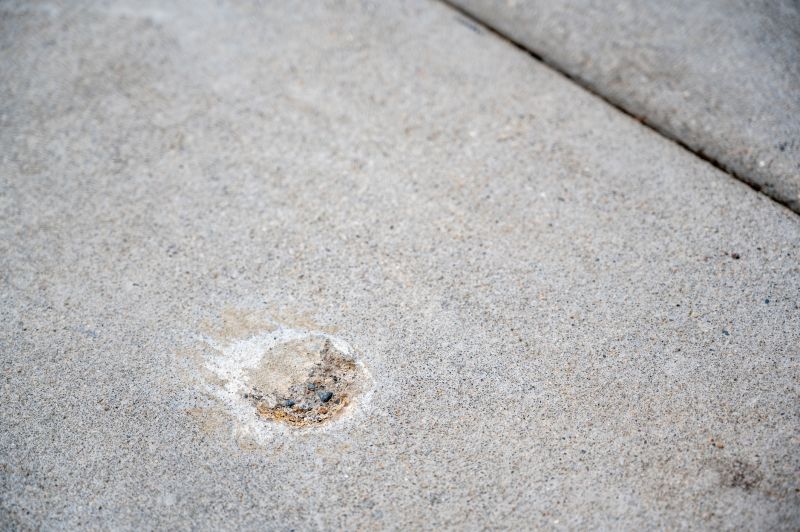
A 60-second routine that keeps Concrete Repairs looking new.
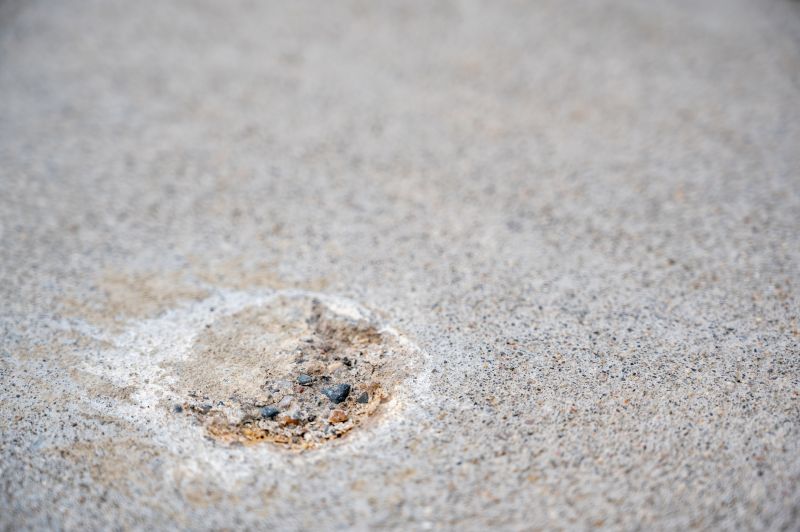
A frequent mistake in Concrete Repairs and how to dodge it.
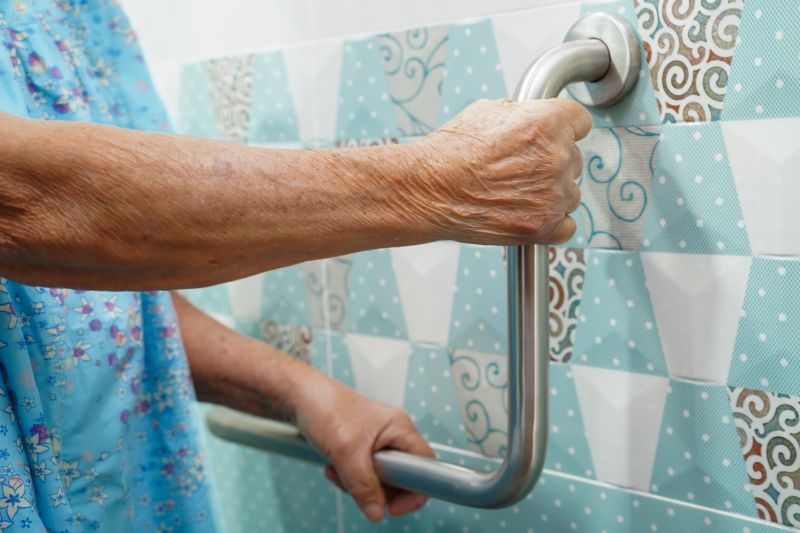
Small tweaks to make Concrete Repairs safer and easier to use.
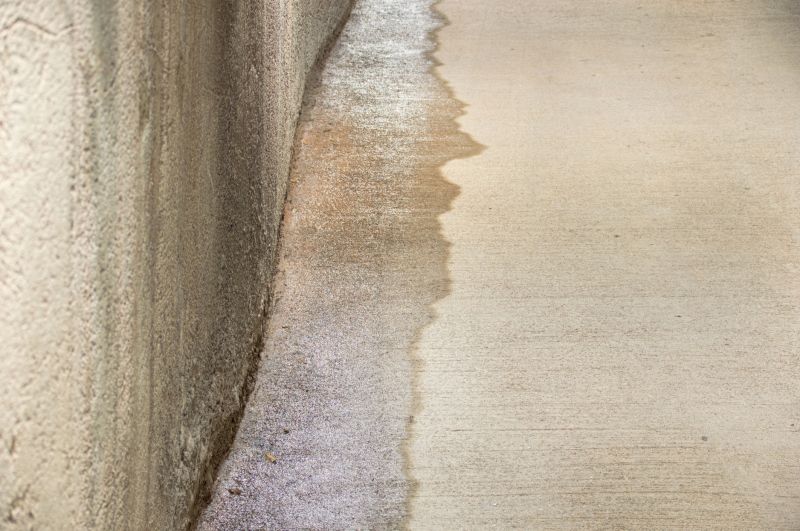
Lower-waste or water-saving choices for Concrete Repairs.
Interested in scheduling concrete repairs? Filling out the contact form can help identify the best timing based on local weather patterns and project specifics. Properly timed repairs can extend the lifespan of concrete structures and improve their performance over time.