
Ultimate Guide To Concrete Repair Products For Professionals
Get insights into essential tools and materials that ensure successful and durable concrete repair projects.
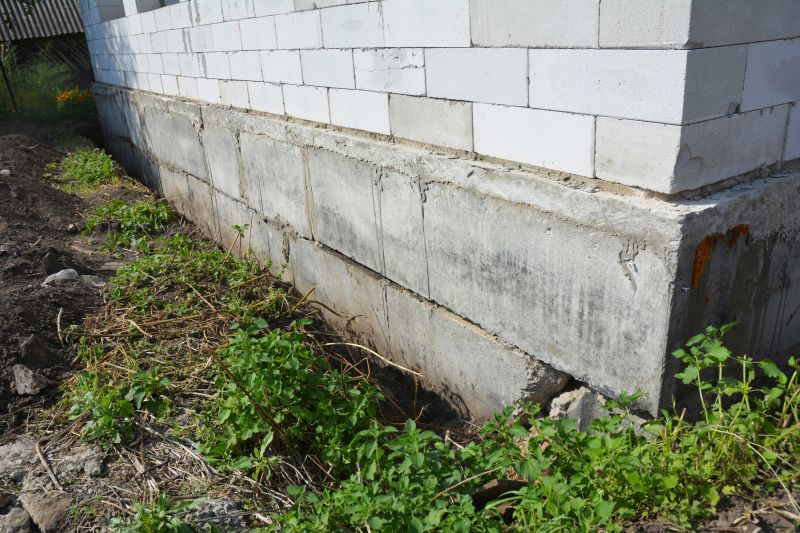 Concrete repair products are essential for maintaining the integrity and appearance of structures in Auburn, AL, where weather conditions and age can contribute to surface deterioration. These products range from simple patching compounds to advanced sealing solutions, each designed to address specific types of damage such as cracks, spalling, or surface scaling. Proper selection and application of these materials can help extend the lifespan of concrete surfaces, whether for residential driveways, commercial sidewalks, or industrial foundations.
Top Overall Option
Polymer-Modified Concrete Patch
A versatile polymer-modified concrete patch offers excellent adhesion, flexibility, and durability for a wide range of repair applications. It is suitable for filling cracks, spalls, and surface imperfections, providing a seamless finish that blends well with existing concrete surfaces. Its ease of application makes it a popular choice for both professionals and DIY enthusiasts in Auburn, AL.
Types of Products For Concrete Repairs
Concrete Crack Sealants
Designed to fill and seal cracks, preventing water intrusion and further damage.
Hydraulic Cement
Quick-setting material ideal for stopping leaks and repairing structural cracks.
Polymer-Modified Patches
Flexible, durable patches suitable for surface repairs and spall fills.
Surface Bonding Agents
Enhance adhesion between old and new concrete layers during repairs.
Epoxy Injection Kits
Used for restoring structural integrity by filling deep cracks from within.
Resurfacing Compounds
Provide a new surface layer to improve appearance and protect underlying concrete.
Concrete Sealers
Protect surfaces from moisture, chemicals, and surface wear.
Fiber-Reinforced Repair Mortars
Add strength and flexibility for larger or more active concrete structures.
Patch Mixes with Aggregate
Match the existing concrete texture and color for aesthetic repairs.
Self-Leveling Underlayments
Create smooth, level surfaces for flooring or finishing overlays.
Popular Choices
Widely used for sealing minor cracks and preventing water ingress.
Preferred for emergency repairs and quick fixes.
Commonly selected for versatile surface repairs and filling spalls.
Popular for protecting concrete surfaces from staining and surface damage.
Favored for structural crack repairs requiring deep filling.
Chosen for restoring worn or damaged surfaces with a fresh finish.
Trusted for enhancing moisture resistance in concrete structures.
Often used for repairing larger or more active concrete areas.
Preferred for aesthetic repairs that require matching existing textures.
Popular for creating smooth, level surfaces before flooring installation.
When considering concrete repair products, it is important to evaluate the extent of damage, the location of the repair, and the desired finish. Some products are formulated for quick fixes and superficial repairs, while others are designed for structural reinforcement or long-lasting sealing. The versatility of these materials allows for repairs that blend seamlessly with existing surfaces, restoring both function and aesthetics.
In Auburn, AL, where seasonal changes can cause expansion and contraction of concrete, selecting appropriate repair products that accommodate movement is crucial. Many repair materials are formulated to adhere strongly to existing concrete, resist moisture intrusion, and withstand temperature fluctuations. Proper surface preparation, including cleaning and roughening the area, enhances adhesion and ensures the durability of the repair.
Investing in quality concrete repair products can save time and money over the long term by preventing further deterioration and reducing the need for frequent repairs. Whether tackling small cracks or large surface issues, understanding the different types of repair materials available allows property owners and contractors to make informed decisions tailored to their specific needs.
Key Buying Considerations
- Identify the type and extent of damage to determine the appropriate repair product.
- Consider whether the repair requires structural reinforcement or superficial restoration.
- Check compatibility of the product with existing concrete materials.
- Evaluate the setting time and ease of application based on project timeline and skill level.
- Assess environmental conditions such as moisture, temperature, and exposure to chemicals.
- Determine if the repair needs to accommodate movement or expansion joints.
- Choose products that offer good adhesion and long-term durability.
- Review the surface preparation requirements for optimal bonding.
- Select color-matched or blending products for aesthetic repairs.
- Consider the product's resistance to water, chemicals, and freeze-thaw cycles.
- Verify that the product is suitable for the specific location, whether indoor or outdoor.
- Assess the safety and handling instructions for the repair materials.
- Evaluate cost-effectiveness relative to the size and scope of the repair.
- Look for products with clear instructions and customer support options.